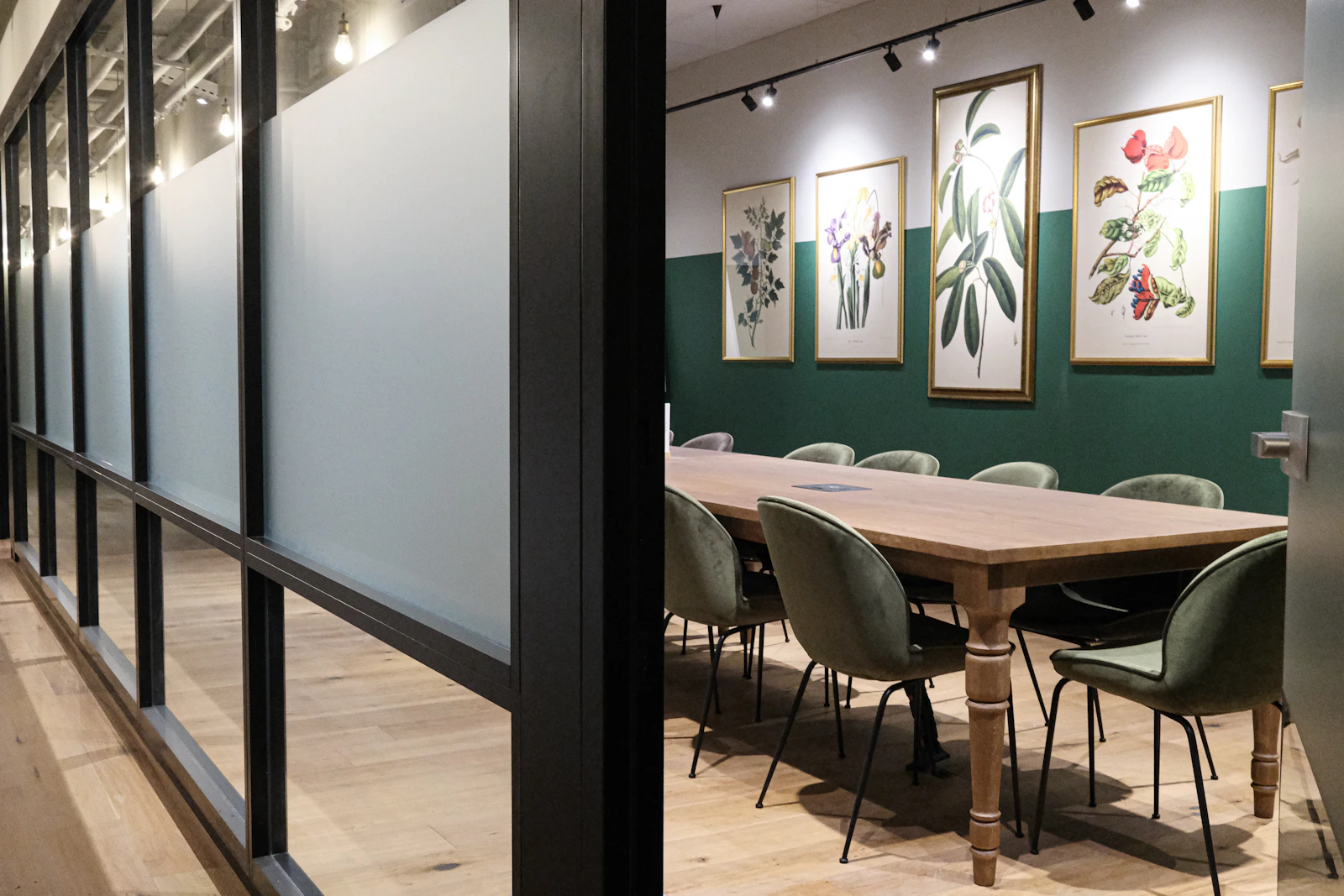
Why dining rooms get louder and louder
Cafés and restaurants in Amman are often stone, glass, tile and polished concrete — beautiful, and almost perfectly reflective. Every voice, chair scrape and espresso machine bounces around the room. Guests raise their voices to be heard over it, which makes the room louder still, so everyone raises them again. Acousticians call this the Lombard effect, and it is why a room that is pleasant at 30% full is unbearable at 80%.
What noise costs a restaurant
- Guests who cannot hold a conversation leave sooner and come back less
- Staff mishear orders and tire faster over a long shift
- Background music has to be turned up to be heard, which makes it worse
- Reviews mention it — “great food, too noisy” is a common one
How we treat a café or restaurant
We start with an assessment during service if possible, measuring reverberation time (RT60) with a measurement microphone and REW and listening to where the noise builds. The ceiling is usually the biggest untreated surface, so ceiling clouds, baffles or acoustic ceiling panels do most of the work; wall panels behind banquettes and near the counter do the rest.
Treatment does not have to look like a studio. Panels come in fabric colours, printed artwork, timber slats and felt shapes, and we design the layout with your interior so it reads as part of the fit-out rather than an afterthought. You see a mockup before anything is made.
What changes after treatment
Conversation becomes easy at a normal voice, the room settles at a lower level when it fills, music can play quieter and still be heard, and staff can hear each other at the pass. We measure again after installation, so you have the before-and-after numbers as well as the feel of the room.
Book an assessment for your venue
Tell us about your café or restaurant on the Acoustics page, or WhatsApp +962 777 599 329. The assessment fee is credited toward the installation if you go ahead.