Why does my meeting room sound so bad on calls?
A conference microphone does not hear the way you do. In the room, your brain filters out reflections and focuses on the person speaking. The microphone cannot: it picks up the direct voice and every reflection off the glass wall, the table, the screen and the ceiling a few milliseconds later, and sends all of it down the line. On the far end it sounds hollow, distant or “in a bathroom”.
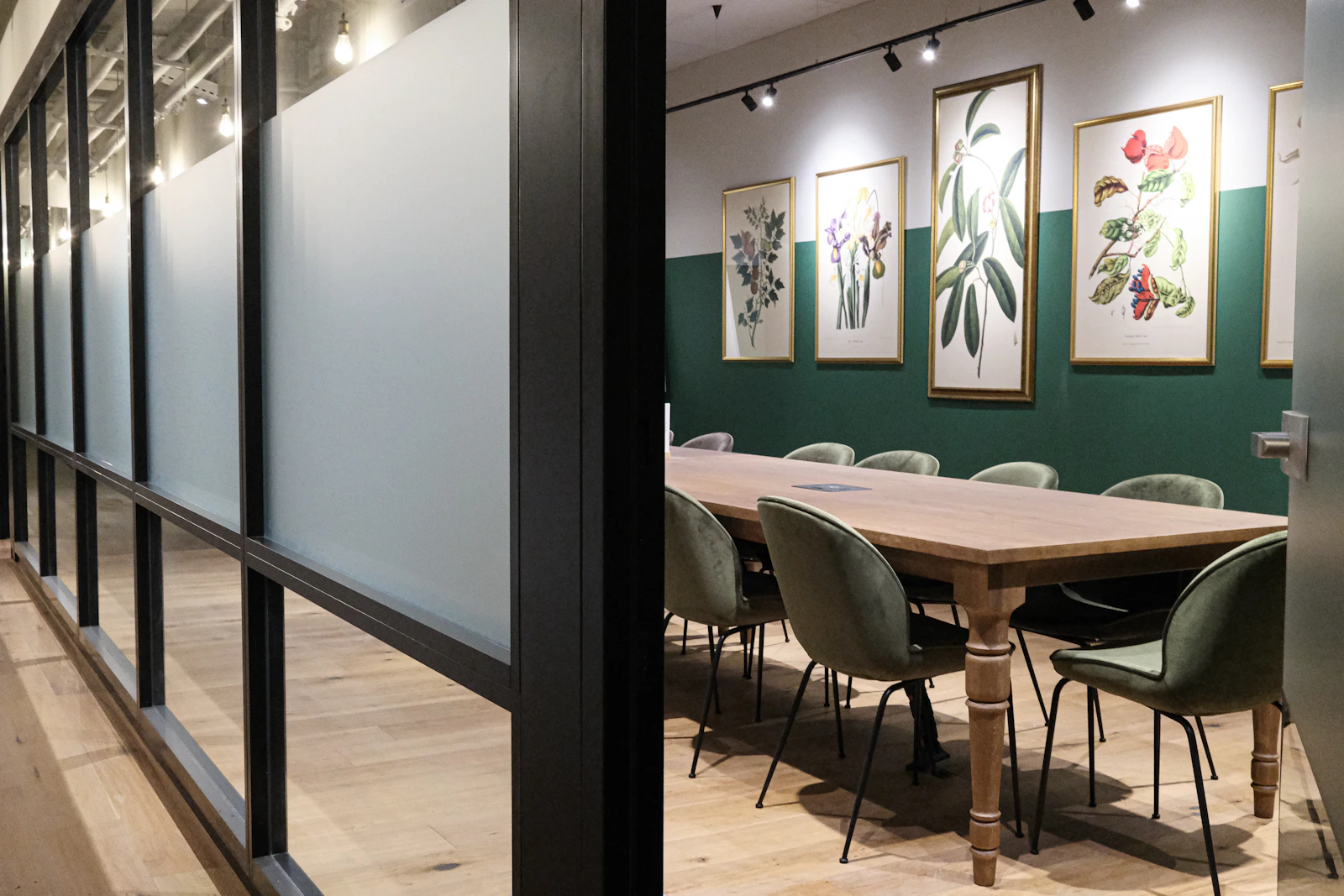
Modern offices make it worse. Glass partitions, exposed concrete, tiled or vinyl floors and a large, bare table are exactly the surfaces that reflect sound best — and many meeting rooms in Amman are built from all of them.
Why new conferencing equipment does not fix it
It is tempting to buy a better speakerphone or a camera bar with “AI noise cancellation”. Good equipment helps, but echo cancellation in that equipment is designed to stop the far end hearing itself — not to remove the reverberation of your own room. Software that tries to strip reverb from a voice tends to make it sound thin and processed. The cleanest fix is the room itself: less reflected sound reaching the microphone in the first place.
Signs your meeting room needs acoustic treatment
- Remote colleagues ask you to repeat yourself, or say you sound far away
- You hear a ring or flutter when you clap your hands in the room
- People in the room raise their voices without noticing
- Meetings feel tiring even when they are short
- The room has glass on one or more sides and a hard ceiling
What treatment a meeting room needs
Most meeting rooms need absorption in three places: the wall facing the screen and camera, the ceiling above the table, and at least one of any pair of parallel walls, so sound cannot bounce back and forth between them. Ceiling clouds or baffles work well where the walls are glass. Fabric-wrapped panels, felt and timber slat panels can be made in the company’s colours, so the room looks finished, not fitted out.
We measure the room first — reverberation time (RT60) and the strongest reflections — so the treatment is sized for that room rather than guessed, and measure again after installation so the improvement is on paper.
Open-plan offices too
The same physics wears people down in open-plan offices: phone calls, chatter and keyboards all reflect off hard surfaces and pile up. Treatment there will not make conversations private — that is a question of layout and isolation — but ceiling absorption and screens between desks lower the overall noise level and make calls from desks far easier. See acoustic treatment vs soundproofing for where one ends and the other begins.
Book an assessment for your office
Tell us how many meeting rooms you have and what bothers you about them, and we will arrange a visit. Book on the Acoustics page or WhatsApp +962 777 599 329.


